
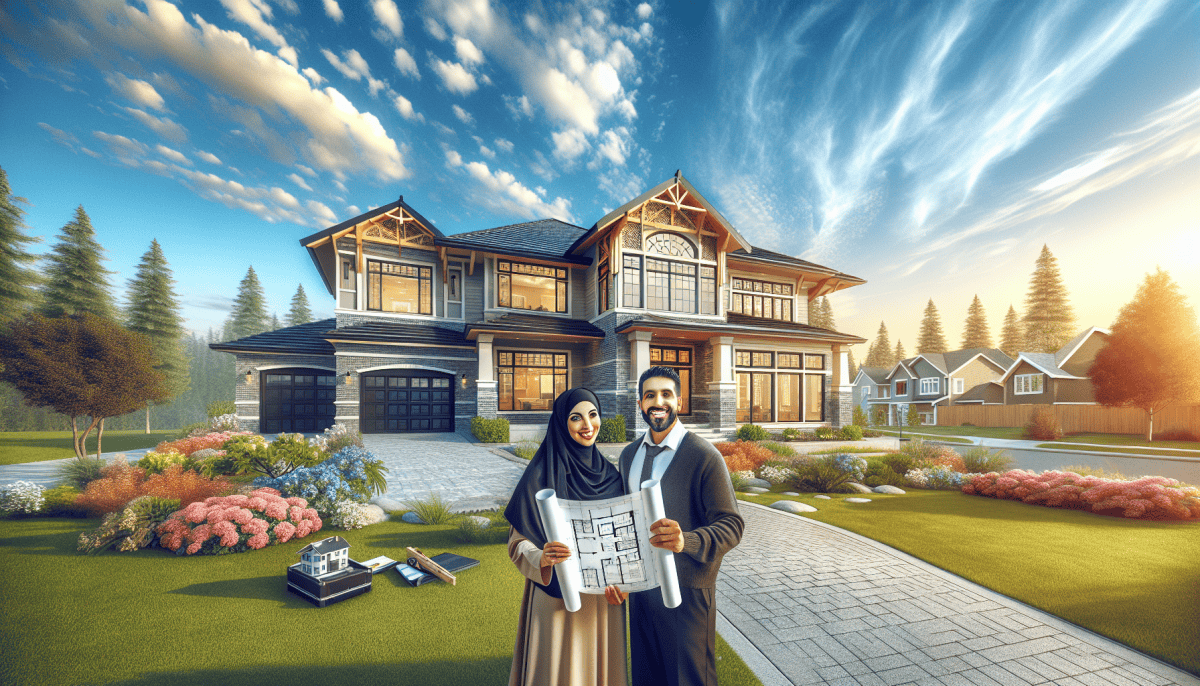
Embarking on the journey of buying your first home is an exciting milestone, especially when you’re considering new home construction. This comprehensive guide will walk you through the essential steps and considerations, ensuring you’re well-prepared to make informed decisions throughout the process. From understanding the construction timeline to finalizing your move-in plans, we’ll cover everything you need to know to turn your dream of homeownership into a reality.
Understanding the New Home Construction Process: What First-Time Buyers Need to Know
The new home construction process can seem daunting at first, but breaking it down into stages makes it more manageable. Typically, the process begins with site preparation and foundation work. This crucial phase sets the groundwork for your entire home and can take several weeks, depending on the terrain and weather conditions.
Once the foundation is set, framing begins. This is when you’ll start to see the skeleton of your home take shape. Following framing, the exterior work commences, including roofing, siding, and windows. Simultaneously, internal systems such as plumbing, electrical, and HVAC are installed.
The next phase involves insulation and drywall installation, followed by interior finishes like flooring, cabinetry, and fixtures. Throughout this process, inspections are conducted to ensure everything meets local building codes and standards.
It’s important to note that the timeline for new home construction can vary widely, typically ranging from 6 to 12 months. Factors such as home size, customization level, weather conditions, and local regulations can all impact the duration. As a first-time buyer, it’s crucial to maintain open communication with your builder and be prepared for potential delays.
Setting Your Budget: How to Financially Prepare for Your New Home
Establishing a realistic budget is a critical step in the home-buying process. Start by assessing your current financial situation, including your income, savings, and existing debts. Consider not just the purchase price of the home, but also additional costs such as property taxes, homeowners insurance, and potential homeowners association fees.
When budgeting for a new construction home, it’s wise to factor in a buffer for unexpected expenses or upgrades. Many buyers find themselves wanting to add features or upgrade finishes during the building process, which can quickly add up.
Getting pre-approved for a mortgage is an essential step. This will give you a clear picture of how much you can borrow and help you narrow down your home options. Remember, just because you’re approved for a certain amount doesn’t mean you should max out your budget. Consider your long-term financial goals and ensure your mortgage payments will be comfortable within your overall financial plan.
Don’t forget to account for closing costs, which typically range from 2% to 5% of the home’s purchase price. These can include appraisal fees, title insurance, and various other charges. Additionally, set aside funds for moving expenses and any immediate purchases you’ll need to make for your new home.
Choosing the Right Builder: Key Factors to Consider for Your Dream Home
Selecting the right builder is crucial to the success of your new home construction project. Start by researching builders in your area. Look for those with a solid reputation and a track record of quality construction. Online reviews, testimonials from previous clients, and industry awards can provide valuable insights.
Visit model homes and completed projects by potential builders. This will give you a sense of their craftsmanship and attention to detail. Pay attention to the quality of materials used and the overall finish of the homes.
Inquire about the builder’s warranty offerings. A comprehensive warranty can provide peace of mind and protection against potential issues down the line. Standard warranties often cover workmanship for one year, while some builders offer extended structural warranties.
Communication is key in any construction project. Choose a builder who is responsive to your questions and concerns. They should be willing to provide regular updates throughout the building process and be transparent about timelines and potential challenges.
Consider the builder’s financial stability. A builder with a strong financial foundation is more likely to complete your project without delays or cutbacks. Don’t hesitate to ask for references from recent buyers and financial institutions they work with.
Lastly, ensure the builder is properly licensed and insured in your state. This protects you from potential liability issues and ensures the builder meets certain professional standards.
Navigating the Design and Customization Options: Making Your Home Truly Yours
One of the most exciting aspects of building a new home is the opportunity to customize it to your preferences. Most builders offer a range of design options, from selecting floor plans to choosing finishes and fixtures. However, it’s important to approach this process strategically to avoid overspending or making choices you might regret later.
Start by prioritizing your must-haves. These might include specific layout features, energy-efficient appliances, or particular finishes that are important to you. Remember that some upgrades are easier and more cost-effective to do during construction, while others can be added later.
When selecting finishes, consider both your personal style and potential resale value. While you want your home to reflect your tastes, extremely personalized choices might not appeal to future buyers. Aim for a balance between personal preference and broader appeal.
Be prepared for decision fatigue. The number of choices can be overwhelming, from paint colors to doorknob styles. Some builders offer design centers where you can see and touch different options. Take advantage of these resources, but also trust your instincts.
Keep an eye on your budget throughout the customization process. It’s easy for costs to escalate with each upgrade. Some builders offer package deals on popular upgrades, which can be more cost-effective than selecting individual items.
Don’t rush the design process. Take time to visualize how you’ll use each space in your daily life. Consider factors like natural light, storage needs, and how your furniture will fit into the layout. Remember, the goal is to create a home that not only looks great but also functions well for your lifestyle.
Final Steps: What to Expect During the Closing Process and Moving In
As your new home nears completion, you’ll enter the closing process. This typically begins with a final walk-through of your home. Use this opportunity to carefully inspect every aspect of the construction, noting any issues that need to be addressed before closing.
During this time, you’ll also be finalizing your mortgage. Be prepared to provide updated financial information and to review and sign numerous documents. It’s advisable to work with a real estate attorney who can explain the legal aspects of your purchase and ensure all paperwork is in order.
The closing day itself involves signing the final documents and transferring funds. This is when you’ll receive the keys to your new home. Be prepared for closing costs, which you should have accounted for in your initial budget.
After closing, plan your move carefully. If possible, allow some time between closing and moving in to address any last-minute touches or to deep clean the home. Consider hiring professional movers, especially if you have a lot of furniture or are moving a long distance.
Once you’ve moved in, take time to familiarize yourself with your new home’s systems and features. Review any warranties or maintenance schedules provided by your builder. It’s also a good idea to introduce yourself to your new neighbors and start getting to know your community.
Remember that it’s normal to experience some challenges as you settle into your new home. Be patient with yourself and your family as you adjust to your new space. With time, your new house will truly feel like home, filled with memories and the satisfaction of having been part of its creation from the ground up.
