
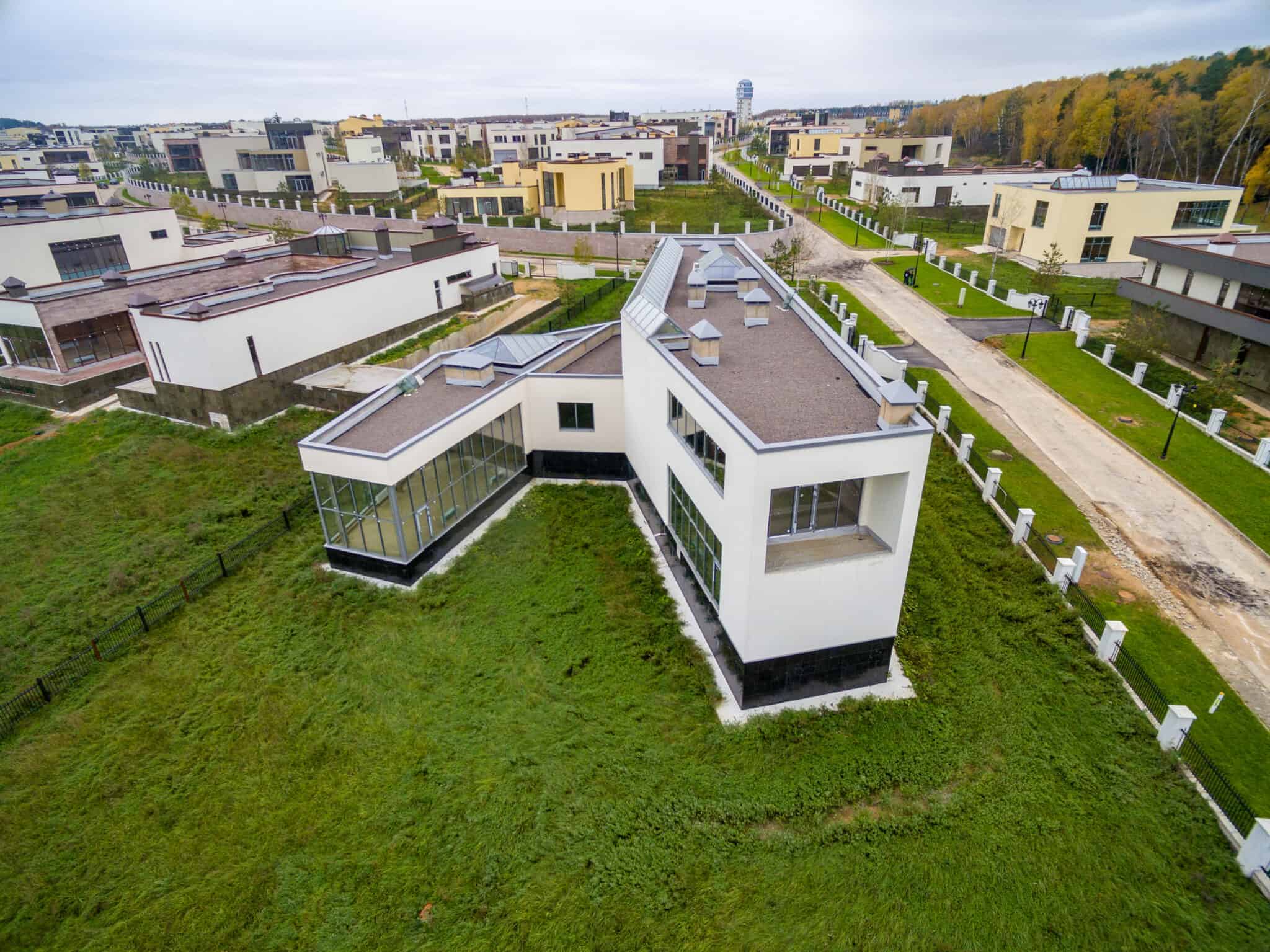
Constructing a custom home encapsulates a cherished aspiration for many. The concept of shaping a living space that mirrors your identity, desires, and way of life embarks on a thrilling odyssey. Yet, the expedition from conceptualizing your ideal abode to inhabiting its confines is a multifaceted expedition demanding meticulous strategizing, meticulous attention, and synergistic cooperation with domain experts. Within this all-inclusive manual, we will meticulously deconstruct the complete journey of erecting a bespoke home, delineating each step in meticulous detail.
Step 1: Dream and Define
Commencing with a vision, the process unfurls. Dedicate time to imagine the domicile you yearn for, factoring in dimensions, architectural flair, spatial arrangement, and amenities. Jot down essentials and aspirational attributes, while also anchoring a financial scope. This initial phase erects the cornerstone upon which the entire undertaking rests.
Step 2: Secure Financing
Pinpointing your budget stands as a pivotal task. Arrange consultations with financial advisors or mortgage experts to delve into the realm of financing possibilities. By aligning your aspirations with your budget, you lay the groundwork for pragmatic outlooks and avert potential disillusionments down the road.
Step 3: Land Acquisition and Analysis
Choosing the right location for your custom home is paramount. Work with real estate professionals to find a suitable plot of land that aligns with your vision and budget. Analyze the land for potential challenges such as zoning regulations, environmental factors, and topography.
Step 4: Design and Planning
Collaborate with an architect or a custom home builder to translate your vision into detailed plans. This phase involves creating blueprints, floor plans, and exterior elevations. It’s essential to balance aesthetics with functionality and ensure that the design adheres to local building codes and regulations.
Step 5: Pre-Construction Preparation
Before breaking ground, various approvals and permits are required. This includes obtaining building permits, environmental clearances, and any homeowner association approvals if applicable. Additionally, finalize contracts with your architect and builder.
Step 6: Construction Commences
With permits in hand, construction begins. Clear communication between you, the builder, and project manager is crucial during this phase. Regular site visits will help you stay informed about the progress and address any unforeseen issues promptly.
Step 7: Material Selection and Interior Design
As the project’s structure comes together, it’s now the perfect moment to immerse yourself in the realm of interior design choices. Choose materials, finishes, fixtures, and appliances that align seamlessly with your envisioned design. This stage offers you the opportunity to personalize every aspect, ensuring it reflects your unique preferences and style.
Step 8: Systems and Utilities Installation
During this stage, essential systems such as plumbing, electrical, HVAC, and others are meticulously put into place. Ensuring their proper installation is paramount, as it guarantees your home operates efficiently and complies with safety standards.
Step 9: Final Touches
As construction nears completion, final touches are added, including painting, flooring installation, cabinetry, and landscaping. Attention to detail is paramount to achieve the desired look and feel of your home.
Step 10: Inspection and Quality Assurance
Prior to occupancy, comprehensive inspections are carried out to verify that the construction adheres to all regulatory requirements and upholds the expected standards of workmanship.

Step 11: Move-In and Enjoy
After passing inspections and receiving the certificate of occupancy, it’s time to move into your custom-built dream home. Celebrate this achievement and enjoy the fruits of your planning and collaboration.
Creating a custom home is an expedition that requires patience, determination, and a committed team. By adhering to these steps and collaborating closely with experts, you can turn your dream into a breathtaking reality that you and your loved ones will treasure for many years. Keep in mind that the journey may involve complexities, but the result is a tailored haven that mirrors your distinctive lifestyle and tastes.
Frequently Asked Questions (FAQ’s)
Q: What are the key benefits of building a custom home?
A: Custom home construction boasts a myriad of advantages, encompassing a personalized design tailored to your unique lifestyle and tastes, the capacity to cherry-pick top-notch materials and eco-friendly elements, and the freedom to settle in an optimal location. These bespoke dwellings not only promise enduring contentment and the ability to adapt to future needs but also empower you with financial control, positioning them as a worthwhile and enduring investment.
Q: How do I get started with the custom home building process?
A: To initiate the custom home building process, start by defining your vision and setting a budget. Choose an appropriate location and assemble a team of professionals, including an architect and builder, to craft detailed plans and secure necessary permits. Select contractors and suppliers carefully, overseeing construction progress and conducting inspections. During the interior design phase, customize finishes and fixtures to match your style. Once construction is completed and inspections are passed, move into your personalized home. Effective communication and collaboration with your chosen experts are key to a successful custom home building journey.
Q: What should I consider when choosing a location for my custom home?
A: When choosing a location for your custom home, consider proximity to daily needs, the character of the neighborhood, and the potential for future growth. Assess the land’s specific features, such as size and topography, and ensure it meets zoning regulations and has access to essential utilities. Take note of any desirable views or natural elements that align with your preferences. Be mindful of environmental impact and any conservation areas. Factor in your budget and seek advice from local experts to make an informed decision that not only suits your custom home vision but also enhances your overall quality of life and property investment.
Q: How can I create a budget for my custom home project and avoid cost overruns?
A: To create a budget for your custom home project and avoid cost overruns, start by defining your priorities and researching estimated costs. Set aside a contingency fund for unexpected expenses and work closely with professionals to develop a detailed project plan within your budget. Prioritize essential features, obtain competitive quotes, and monitor expenses throughout construction. Resist making major changes once the project begins, invest in energy-efficient elements, and consider hiring a project manager or cost consultant for financial oversight. Maintain thorough documentation, periodically review the budget, and adapt as needed to ensure your custom home project stays on track financially while achieving your desired results.
Q: What permits and regulations do I need to be aware of when building a custom home?
A: Building a custom home involves navigating a range of permits and regulations, including local building codes, zoning regulations, and the need for building permits, which ensure compliance with safety and quality standards. Environmental regulations may apply if your project impacts natural features, and historical districts often have strict guidelines. Land use and zoning rules, utility connection requirements, special permits for unique features, accessibility standards, and energy efficiency codes should be considered. Tree preservation and architectural review boards may also factor in, and covenants or homeowner’s associations can impose additional guidelines. It’s essential to work closely with professionals who have local expertise to understand and meet these requirements, ensuring a sm and compliant custom home building process.
Q: How long does it typically take to build a custom home, from start to finish?
A: The duration of constructing a custom home can fluctuate considerably due to numerous factors like design intricacy, home size, location, weather conditions, and unexpected obstacles. Generally, custom home projects can span from 12 to 18 months, but certain undertakings may extend beyond this timeframe. The process comprises stages like planning, design, permitting, construction, and interior finishing. For a more precise project timeline, collaborating closely with your builder and project team is recommended. They can furnish you with a detailed schedule tailored to your project’s specific needs and situation.
Q: What are some common challenges or setbacks that can occur during custom home construction, and how can they be mitigated?
A: Common challenges in custom home construction include budget overruns, weather delays, permitting issues, supply chain disruptions, design changes, unforeseen site conditions, labor shortages, quality control, excessive change orders, financing challenges, and contractor/subcontractor issues. To mitigate these setbacks, establish a comprehensive budget with a contingency fund, schedule buffer time for weather-related delays, thoroughly research and navigate permitting and regulations, plan for material supply uncertainties, finalize your design before construction, conduct thorough site assessments, work with reliable contractors and labor sources, maintain strict quality control, limit change orders, keep your lender informed, and have clear contracts and communication protocols in place with all involved parties.
Q: Are there financing options available specifically for custom home building?
A: Yes, there are financing options available specifically for custom home building. One common approach is a construction loan, which provides funds for the construction phase of the project. Construction loans can be short-term and typically cover the costs of labor, materials, permits, and other construction-related expenses. Once the custom home is complete, the construction loan can be converted into a traditional mortgage. Another option is a one-time close construction-to-permanent loan, which combines both the construction and mortgage phases into a single loan, simplifying the financing process. It’s essential to work closely with lenders who specialize in custom home construction financing to explore the most suitable options based on your project’s requirements and your financial situation.
Q: What should I prioritize when selecting materials and finishes for my custom home?
A: When selecting materials and finishes for your custom home, prioritize quality, durability, and functionality to ensure long-term value and practicality. Maintain an aesthetically cohesive design while staying within your budget and exploring cost-effective alternatives. Opt for energy-efficient, low-maintenance, and eco-friendly options to reduce utility costs and environmental impact. Tailor choices to your personal style while considering resale value and local climate conditions. If necessary, adhere to accessibility and universal design standards for a more inclusive living environment, and choose materials low in VOCs to promote healthier indoor air quality. Overall, thorough consideration of these factors will help you make informed decisions that enhance both the beauty and functionality of your custom home.
Q: What resources and professionals can I consult for guidance and support during the custom home building journey?
A: During your custom home building journey, consult a range of professionals and resources for guidance and support. Architects and designers can help with planning, while builders and contractors execute the construction phase. Real estate agents assist in property selection, and financial experts aid in securing financing. Project managers oversee the entire process, and interior designers assist with finishes and decor. Legal professionals review contracts and regulations, inspectors ensure quality, and environmental consultants address environmental concerns. Energy efficiency experts help reduce long-term costs, and local building departments provide permitting guidance. Homeowners’ associations offer insight into community regulations, while online resources, industry associations, and sustainable building organizations provide additional information and networking opportunities. These experts and resources collectively contribute to a successful custom home building experience.
