
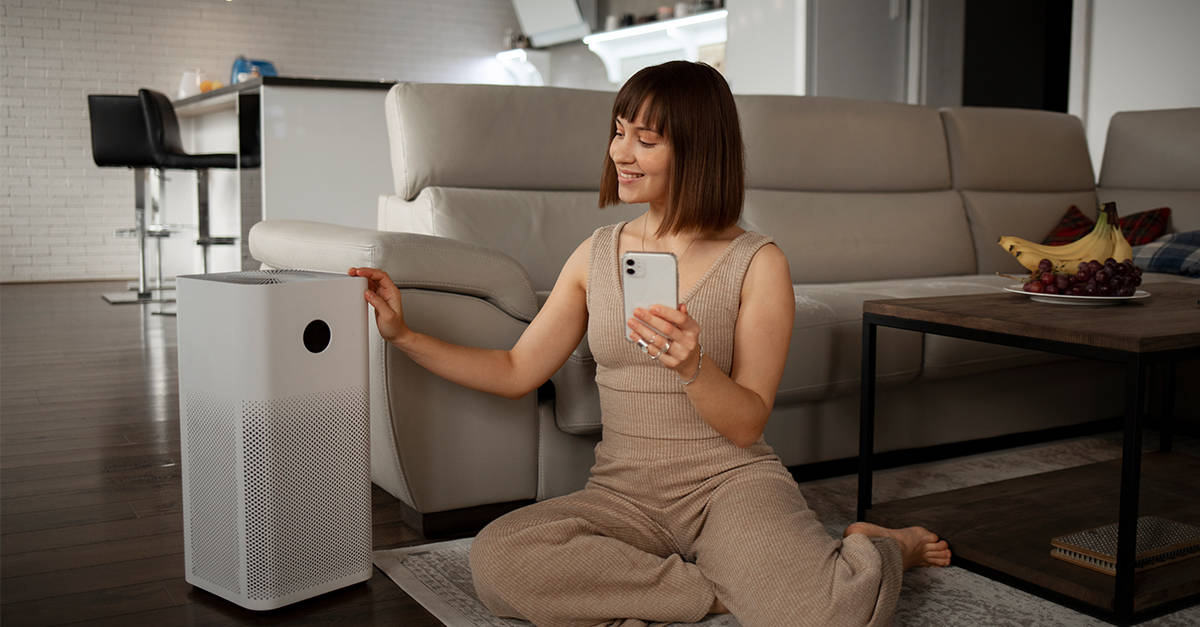
Is the air inside your home secretly working against you? Don’t let unseen pollutants sap your energy and health. We’re about to uncover the hidden hazards in your living space and equip you with expert tips to revitalize your indoor environment. Get ready to breathe easier and deeply rejuvenate both your home and well-being!
Your Home’s Hidden Hazards: Indoor Air Pollutants
You’ve probably heard the saying, “What you can’t see can’t hurt you.” Well, when it comes to indoor air quality, that’s not entirely true. Your house might look spotless but still host invisible guests like dust mites or pet dander. Even household products release volatile organic compounds (VOCs) that are less than friendly for our lungs. And let’s not forget secondhand smoke – an unwelcome guest who leaves its mark long after departure.
Identifying Common Indoor Air Pollutants and Their Sources
Let’s talk about something that affects us all – the air quality inside our homes. It might seem like a big, complex issue, but don’t worry! We will break it down together and play detective to find out what’s causing indoor air pollution. Ready? Let’s go ahead and get started.
Meet the Troublemakers: Common Indoor Air Pollutants
You might be wondering who or what is messing up your indoor air. Well, there are quite a few culprits at large here! Dust mites and pet dander love hanging around on our clothes and furniture, while mold spores prefer damp places like bathrooms or basements. Then, we have volatile organic compounds (VOCs) from everyday household items such as cleaning products or paints. And lastly, secondhand smoke – an unwelcome guest that leaves harmful traces behind.
The Hideouts: Where These Pollutants Lurk
Now that we know the troublemakers, let’s figure out where they’re hiding in your home! Dust mites and pet dander are usually found in cozy spots where you spend most of your time – think beds and sofas. Mold spores enjoy damp areas, so check those bathrooms and basements regularly for any signs of them lurking around. VOCs can be tricky because they come from many sources, including cleaning products, paints, and even some types of furniture! As for secondhand smoke, I’m sure you can guess where this one comes from!
The Impact of Poor Indoor Air Quality on Health and Well-Being
Have you ever thought about the air you’re breathing in right now? Surprisingly, it can be more polluted inside your home than outside. A bit shocking. But don’t fret! We’re here to guide you through how indoor air quality impacts your health and well-being. Let’s start understanding why the air inside matters and what we can do to improve it.
Breathe Easy: Long-Term Impacts of Poor Indoor Air Quality
The immediate effects of poor indoor air are worrying enough; however, long-term exposure is even scarier as this could lead to severe conditions like respiratory diseases, heart disease & cancer over time; kind of like slow poison seeping into us gradually over the years! Before panic sets in, remember that improving air quality at home can safeguard yourself and your loved ones from these health risks.
Now that we’ve shed light on how indoor air quality affects our health and well-being, it’s time for action. In the next section, we’ll explore some practical strategies to enhance the air quality in your home. Ready for a breath of fresh relief?
Catching Them in the Act: Signs of Poor Indoor Air Quality
In every good detective story, clues lead to the culprits; the same goes with poor indoor air quality – it leaves telltale signs behind, too! If anyone in your family has allergies or respiratory issues, this could indicate poor air quality. Other signs could be a musty smell, too much dust, or visible mold growth in your home. So keep those detective senses sharp and look out for these signs.
Now that we’ve figured out the typical indoor air pollutants and where they hide, we can improve our indoor air quality. But remember, like any good detective story – there’s always more to uncover. Stay tuned as we explore more ways to make the air in your home cleaner and healthier. Ready for the next chapter?
Understanding the Importance of Indoor Air Quality in Your Home
When we think about air pollution, images of smoky cities or factories often come to mind. But did you know the air inside your home can be even more polluted? That’s right – your comfy living room could be full of unseen pollutants affecting your health. Let’s delve into why indoor air quality matters and how it contributes to a healthier, more comfortable home.
A Healthier You in a Healthier Home: The Benefits of Good Indoor Air Quality
So, what do we get out of all this effort? Apart from dodging health issues like allergies and respiratory problems, imagine waking up refreshed daily without worrying about sneezing or wheezes disrupting your peace! It feels great just thinking about it. But there’s more – a clean indoor environment can also improve your sleep, lift your mood, and make you more productive. Now, that’s something we all want.
So there you go! Understanding and improving indoor air quality is not just about creating a healthier home but also enhancing the quality of life. Remember, every breath in your home should be fresh and clean. Ready to give your living space a refreshing makeover? You should consult with the best local HAVC contractors get get expert tips.
A Breath of Fresh Air: The Link Between Indoor Air Quality and Mental Well-Being
Did you know that clean air doesn’t just benefit our lungs but also our minds? Poor indoor air quality may lead to feelings of stress, anxiety, or even depression. Imagine being in a room with stale or odd-smelling air – it doesn’t feel great. That’s your body reacting to poor-quality air! By enhancing indoor air quality, we will breathe easier and create happier living spaces.
Breathe Easy: Tips for Improving Indoor Air Quality
Now that we’ve covered the spooky stuff let’s talk solutions! Cleaning up your indoor environment isn’t as daunting as it sounds. Regular cleaning routines and good ventilation go a long way in keeping those pesky pollutants at bay. Consider getting an air purifier or invite some green friends over – yes, plants! They don’t just brighten up spaces but also act as natural little cleaners, scrubbing away impurities from our breathing space.
Cleaning Regularly: Your First Line of Defense
Imagine dust and pet dander as tiny invaders trying to take over your home. The best way to fight back is by cleaning regularly. Get a quote from the best local cleaning contractor for the best results. Vacuuming carpets, dusting furniture, washing bedding – these simple tasks can significantly reduce these unwanted guests. And just like any good defense strategy, having the right equipment matters. A vacuum with a HEPA filter and microfiber cloths for dusting are great tools for trapping those microscopic intruders.
Houseplants: Your Green Allies
If only there was a sidekick in this battle against indoor pollution… Meet houseplants! Not only do they add life and color to any room, but they also work hard at purifying the air around them. Plants like spider plants or English ivy absorb pollutants such as formaldehyde and benzene while adding oxygen into their surroundings – making them an excellent addition to fresher-feeling homes!
Ventilation: Letting Your Home Breathe Easy
A constant mask on our faces feels suffocating after a while – it’s no different for our homes without proper ventilation! Lack of fresh airflow allows pollutants to build up, leading to poor indoor air quality over time; however, simple actions such as opening windows or using exhaust fans make a big difference, giving us a chance to breathe relief again.
We’ve now covered some practical ways you can enhance the quality of your indoor environment—it’s time to put them into action! Remember, every step you take towards improving your indoor air quality is a step towards creating a healthier home. So, are you ready to breathe easier in your refreshed and revitalized living space?

Decoding Your Needs: Understanding Your Home’s Air Quality
The first step in improving your home’s air is understanding what needs fixing. It’s like going to a doctor – they must diagnose before prescribing medication, right? The same goes for your house; consider getting an indoor air quality test done. This will help pinpoint specific pollutants in your home and guide you toward appropriate solutions. After all, knowing is half the battle!
Choosing the Right Indoor Air Quality Upgrades for Your Home
So, you’ve learned about the importance of indoor air quality and identified familiar sources of pollution. You’re also aware that poor air quality can impact your health. Now, it’s time to take action! Let’s explore how to choose the right upgrades for your home so you can breathe easily.
Choosing Your Weapon: Air Purifiers, Humidifiers, and Dehumidifiers
You’ve identified what’s polluting your indoor environment – now it’s time to fight back! Think of air purifiers as superheroes against dust particles or pet dander, while humidifiers are here for dry climates, causing skin irritation or respiratory issues. If mold growth due to excess moisture worries you more than anything else – a dehumidifier could be just what you need! So, which superhero do you call upon?
Going Green: Natural Air Quality Enhancers
If technology isn’t entirely up your alley and nature calls out more strongly – there are plenty of ways she helps, too! Houseplants act as natural filters absorbing harmful toxins from the atmosphere, while beeswax candles neutralize toxic compounds around us every day without realizing it! Salt lamps claim mood-boosting properties by generating negative ions, and nothing beats a good old fresh breeze flowing through open windows or doors when possible!
In conclusion, choosing suitable indoor air quality upgrades requires understanding each household’s unique requirements and exploring available options. Whether you decide on advanced air purifiers or go the natural route, the ultimate goal remains – to create a healthier living environment for everyone in your home. So, are you ready to take that breath of fresh air?
Frequently Asked Questions
Why is indoor air quality important for my health?
Indoor air quality is crucial for health because we spend 90% of our time inside, often breathing air more polluted than outdoors. Poor indoor air exposes us to contaminants like dust, mold, pet dander, and chemicals from household products. These can trigger allergic reactions, asthma attacks, headaches, fatigue, and long-term issues like respiratory disease. Monitoring and improving air quality in your home is crucial to safeguarding personal health.
What are the most common indoor air pollutants I should look out for?
The usual suspects are particulate matter like dust and pet dander, mold spores in damp areas, volatile organic compounds (VOCs) from paints, air fresheners, cleaners, and secondhand smoke residues. Pests like cockroaches and rodents also contribute to allergens and microbes. Pay attention to musty odors, excessive dust, lingering smoke smells, and visible mold as signs of poor indoor air quality.
How can I improve indoor air quality without expensive equipment?
Simple, low-cost steps can dramatically boost air quality. Open windows regularly to ventilate, use exhaust fans when cooking or showering to remove humidity, clean often with a HEPA vacuum and microfiber cloths, and limit clutter that collects dust. Introducing houseplants helps filter toxins, and beeswax candles neutralize VOCs. Avoiding strong-smelling chemical products and banning smoking indoors also helps.
When should I consider investing in an indoor air quality monitor or purifier?
Consider investing in monitors or purifiers if family members suffer from severe allergies/asthma or whenever renovating a home that often exposes you to VOCs, or experience frequent illness likely tied to indoor air. Getting an air quality test can also determine if your home has problematic allergens, mold, radon, or other pollutants that may warrant these purchases. Focus purifier use in rooms where you spend the most time.
