
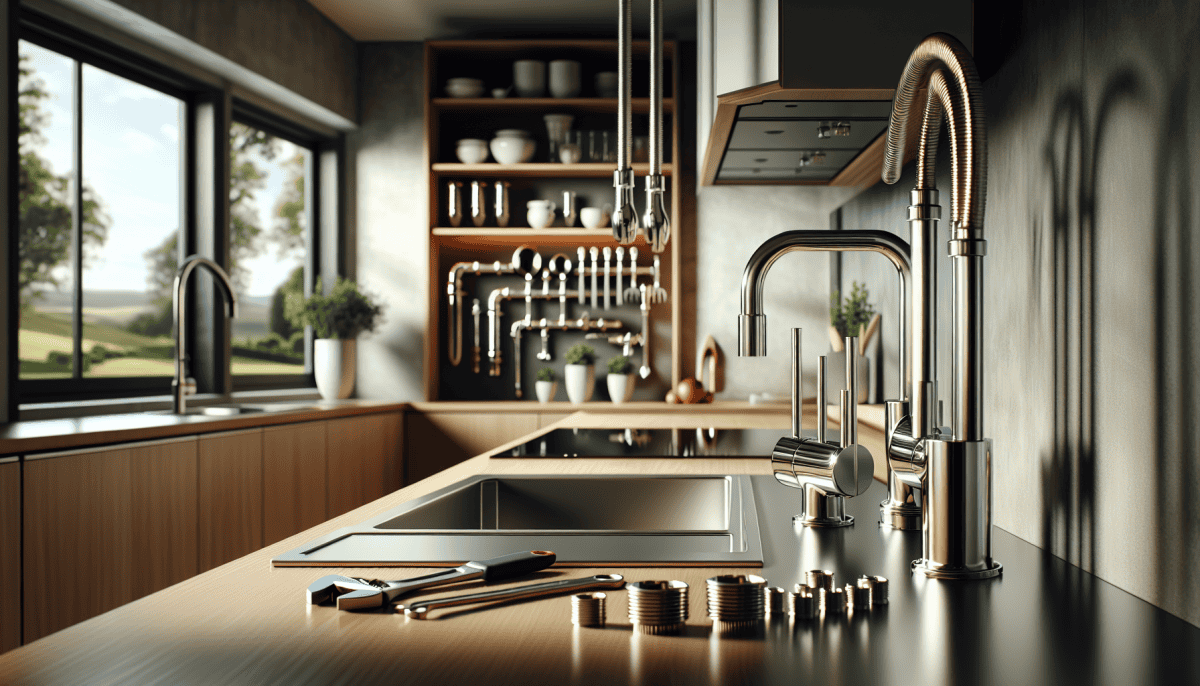
Understanding the Importance of Plumbing in Your New Home
When building or purchasing a new home, the significance of a well-designed plumbing system cannot be overstated. Plumbing is not just about water supply and drainage; it plays a critical role in the overall functionality and comfort of your living space. A reliable plumbing system ensures that clean water is delivered efficiently to your faucets, showers, and appliances while effectively removing wastewater. This foundational aspect of home infrastructure impacts everything from your daily routines to your long-term property value.
Moreover, plumbing issues can lead to significant inconveniences and costly repairs. Imagine waking up to a burst pipe or a malfunctioning water heater. These scenarios highlight the necessity of investing time and resources into selecting the right plumbing solutions for your new home. Understanding the importance of plumbing helps you appreciate the need for quality materials, skilled professionals, and regular maintenance, all of which contribute to a safe and comfortable living environment.
Key Factors to Consider When Selecting Plumbing Solutions
Choosing the right plumbing solutions for your new home involves several critical factors. First and foremost, consider the layout of your home. The design and size of your space will dictate the type of plumbing system that is most suitable. For instance, a multi-story home may require a more complex system to ensure adequate water pressure on all levels.
Another essential factor is the local climate. In colder regions, it is crucial to select materials that can withstand freezing temperatures to prevent pipe bursts. Additionally, think about the long-term costs associated with different plumbing systems. While some materials may have a lower initial cost, they could lead to higher maintenance expenses down the line. It’s wise to weigh the upfront investment against potential future costs.
Lastly, consider your lifestyle and water usage patterns. If you have a large family or frequently host guests, you may need a more robust plumbing system to accommodate higher demand. By taking these factors into account, you can make informed decisions that align with your needs and preferences.
Exploring Different Types of Plumbing Systems and Materials
When it comes to plumbing systems, there are several options available, each with its own advantages and disadvantages. The most common types include traditional pipe systems, which often use copper or PVC materials, and modern alternatives like PEX (cross-linked polyethylene). Copper pipes are known for their durability and resistance to corrosion, making them a popular choice for many homeowners. However, they can be more expensive and require professional installation.
PVC pipes, on the other hand, are lightweight, cost-effective, and easy to install, making them suitable for drainage and venting systems. PEX has gained popularity in recent years due to its flexibility and resistance to scale and chlorine, which can prolong its lifespan. It is also easier to install in tight spaces, reducing labor costs.
Beyond the materials, consider the type of plumbing system that best fits your home. A traditional system uses a series of pipes to supply water and remove waste, while a more modern approach may incorporate a manifold system, allowing for individual control of water flow to various fixtures. Understanding these options will help you choose a plumbing system that is efficient, reliable, and tailored to your specific needs.
How to Choose the Right Plumbing Professionals for Your Project
Once you have a clear understanding of your plumbing needs, the next step is to find the right professionals to bring your vision to life. Start by seeking recommendations from friends, family, or real estate agents who have experience with local plumbers. Online reviews and ratings can also provide valuable insights into a plumber’s reputation and reliability.
When interviewing potential plumbing contractors, ask about their experience, licensing, and insurance. A qualified plumber should be licensed in your state and carry liability insurance to protect you from any potential mishaps during the project. Additionally, inquire about their familiarity with the specific plumbing materials and systems you are considering.
Finally, don’t hesitate to request references from previous clients. A reputable plumber will be happy to provide testimonials or examples of their work. By taking the time to choose the right professionals, you can ensure that your plumbing project is executed efficiently and to a high standard.
Tips for Maintaining Your Plumbing System for Longevity and Efficiency
Once your plumbing system is installed, regular maintenance is key to ensuring its longevity and efficiency. Start with simple tasks like checking for leaks around faucets, toilets, and under sinks. Even small leaks can lead to significant water waste and higher utility bills over time.
Another important maintenance task is to regularly inspect your water heater. Flushing the tank annually can help remove sediment buildup, which can affect efficiency and lifespan. Additionally, consider installing water softeners if you live in an area with hard water, as this can prevent mineral buildup in pipes and appliances.
Lastly, be proactive about scheduling professional inspections. A qualified plumber can identify potential issues before they become major problems, saving you time and money in the long run. By adopting these maintenance practices, you can enjoy a reliable plumbing system that enhances your home’s comfort and value for years to come.
